
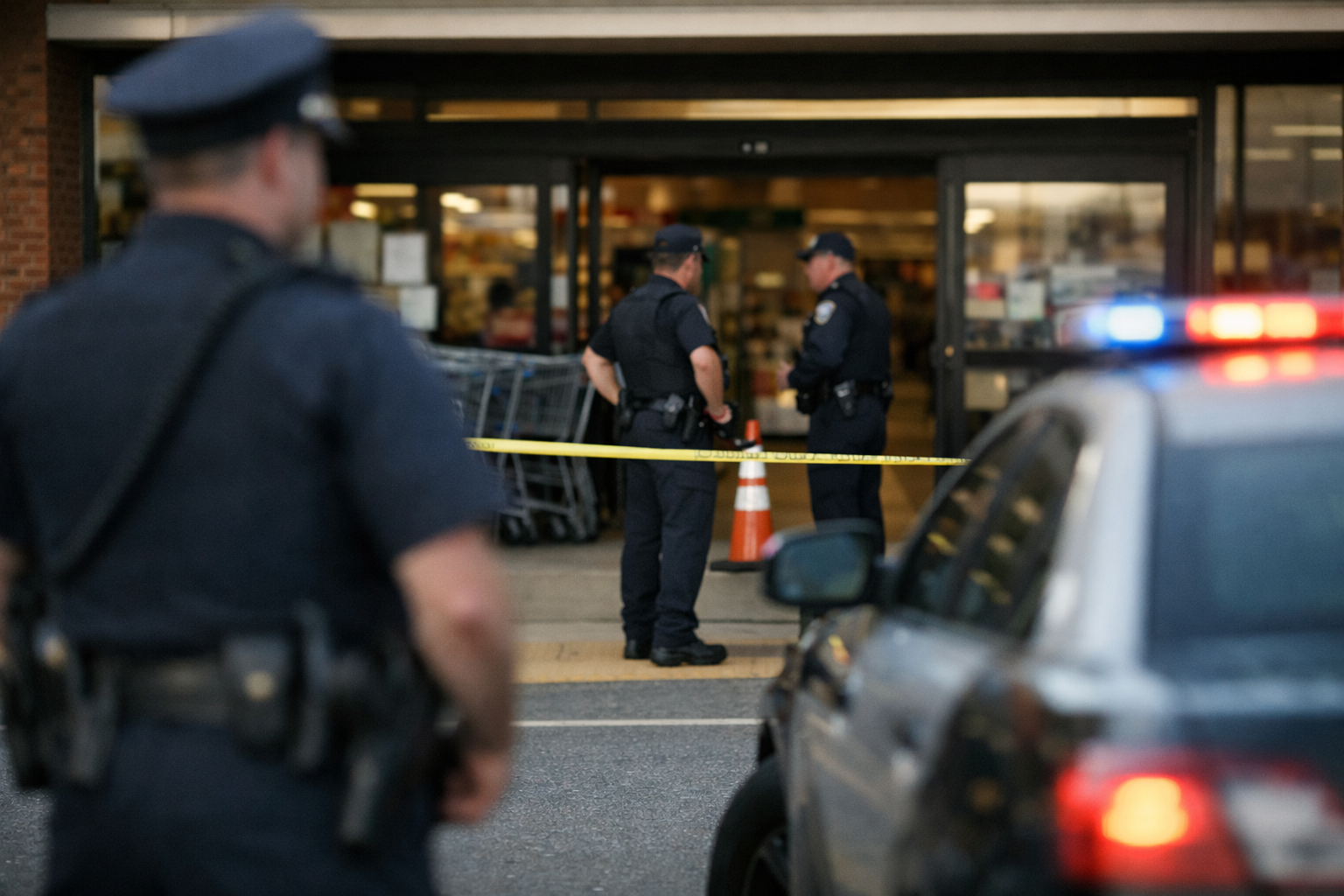
Ahold Delhaize, the parent company of major supermarket chains Giant and Food Lion, recently suffered a cybersecurity incident that temporarily disrupted its official websites and mobile application services. While in-store operations continue without disruption, the paralysis of digital services has caused ongoing inconvenience for consumers.
Giant Food, headquartered in Landover, stated in a release that it "preemptively took systems offline to address a network security issue," emphasizing that the measure was taken to protect customers. Its Dutch parent company, Ahold Delhaize, officially announced on Monday the 14th that it is "taking preventative measures following a cybersecurity incident," while adding that stores nationwide remain open as normal and are fully committed to serving customers.
Due to this system disruption, online ordering through their proprietary apps and websites has been temporarily suspended. However, customers can still place delivery orders through platforms such as Instacart, DoorDash, and Uber Eats. The company also explained that customers can still load coupons and rewards onto their Giant loyalty cards using in-store kiosks. Currently, 159 Giant Food stores and 338 Food Lion stores operate across the Maryland, Washington, D.C., and Virginia region.
Meanwhile, across the Atlantic in Europe, similar cyberattacks simultaneously targeting major retailers have caused widespread shock. According to European authorities, supermarket chains in France and the Netherlands were targeted by cyberattacks; in France, hackers remotely hijacked refrigeration systems at hundreds of supermarkets, driving internal temperatures up to 122 degrees Fahrenheit (approximately 50 degrees Celsius) and causing severe physical damage.
The National Cyber Security Centre (NCSC) of the Netherlands stated that it is investigating several cyber incidents targeting the European food sector, adding, "At this stage, no evidence has been found to suggest a link between these incidents."
Experts point out that as cyber threats targeting global retail and logistics infrastructure become increasingly sophisticated, it is urgent to establish a thorough security posture and review emergency response systems in preparation for contingencies.