
Commonwealth Transportation Board Discusses New Project Budget Cuts and Fund Realignment Plans
Concerns Over 25% Reduction in Smart Scale Funding… Public Transit and Pedestrian Safety Projects Expected to Face Disruptions
Additional $239 Million Annually for Road Repaving… Final Vote Scheduled for December 9
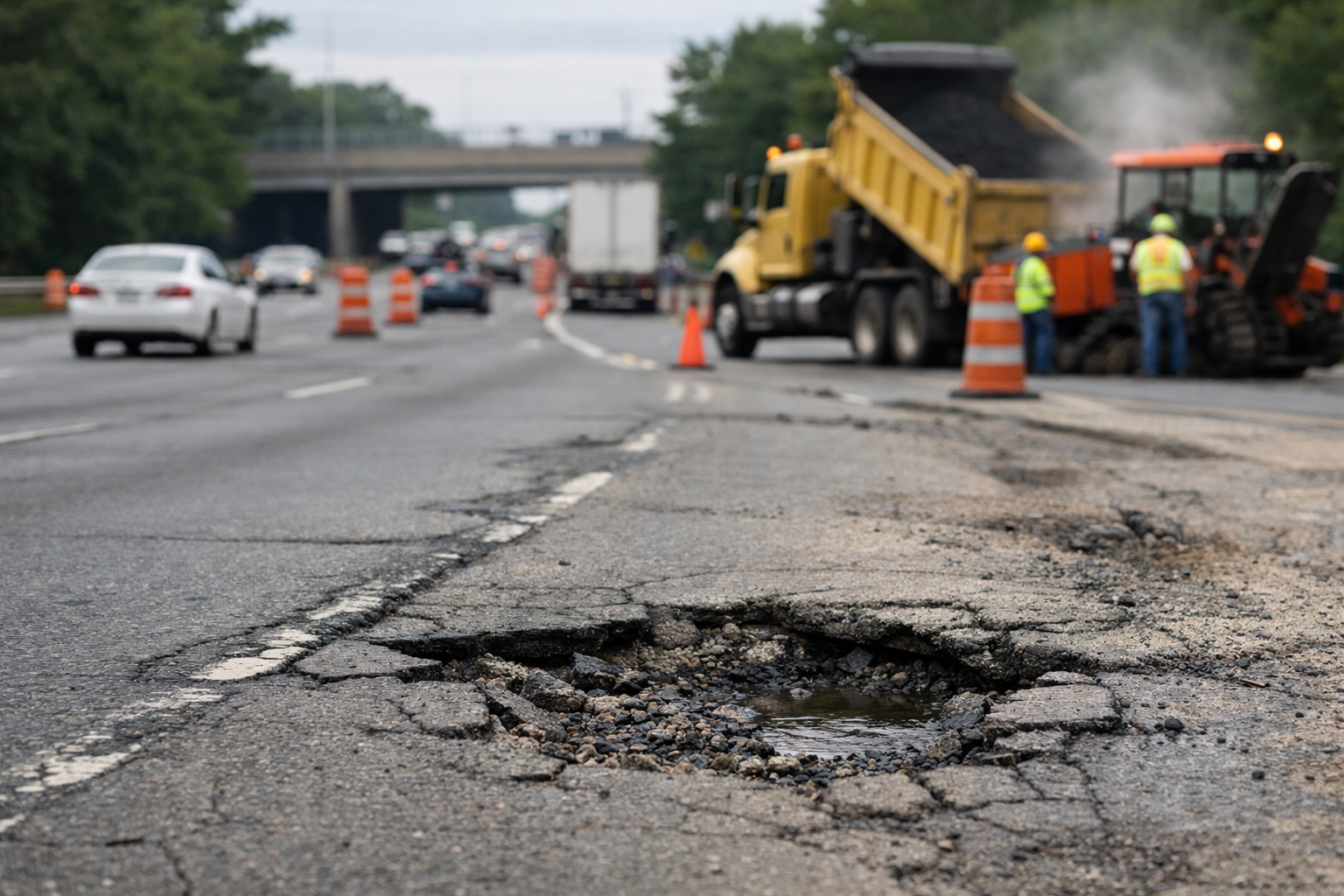
As Virginia faces a massive $1.7 billion road maintenance deficit, the state is moving forward with plans to significantly cut budgets for new road construction and transportation projects to divert funds toward maintenance.
On the 28th, the Virginia Commonwealth Transportation Board (CTB) discussed a financial realignment proposal at its recent meeting, centered on injecting an additional $239 million annually into road repaving and repair work starting in fiscal year 2028. To soften the blow from the reduction in new projects, a plan to issue $300 million in GARVEE bonds and reallocate existing funds was also presented.
Under Virginia state law, the maintenance of existing transportation assets such as bridges and roads must take priority over new construction. However, a significant expansion of jurisdictional infrastructure over the past 20 years, combined with soaring raw material prices and the previous board's construction-centric budgeting, has created a massive financial hole. According to the National Highway Construction Cost Index (NHCCI), road construction and repair costs have more than doubled over the past decade due to rising costs for asphalt, gravel, and labor.
If this realignment plan is finalized, funding for the state's flagship transportation project grant program, Smart Scale, is expected to shrink by about 25%. Having invested a total of $7.6 billion since its inception in 2016, Smart Scale has served as a critical funding source for local traffic safety initiatives, including municipal sidewalks and public transit network expansions, as well as highway improvements.
Local municipalities and civic groups are concerned that these budget cuts will negatively impact public transit and pedestrian environment improvement projects beyond private passenger vehicles. Harrisonburg City Council member Laura Dent expressed concern, stating, "Smart Scale is essential not just for highway maintenance, but for building sidewalks and expanding public transit that make urban living environments safe and sustainable."
In addition, the board is reviewing options to transfer approximately $7.05 million in funding from 15 previously prioritized projects to alternative funding sources, or to shift six key projects back into the competitive Smart Scale Round 7 application pool. The affected projects include the Route 288 hard shoulder running project in Goochland County and the Route 294 corridor improvement project in Prince William County.
Nick Donohue, Deputy Secretary of Transportation, emphasized that the projects would be evaluated fairly without preferential treatment, stating, "In the process of realigning existing budgets to secure maintenance funding, this provides an opportunity for existing projects to be validated again through competition."
The Commonwealth Transportation Board plans to review comprehensive measures, including the introduction of data-driven four-year condition assessments and long-term forecasting systems to prevent sharp fluctuations in road and bridge maintenance spending, before making a final determination through a vote on December 9.